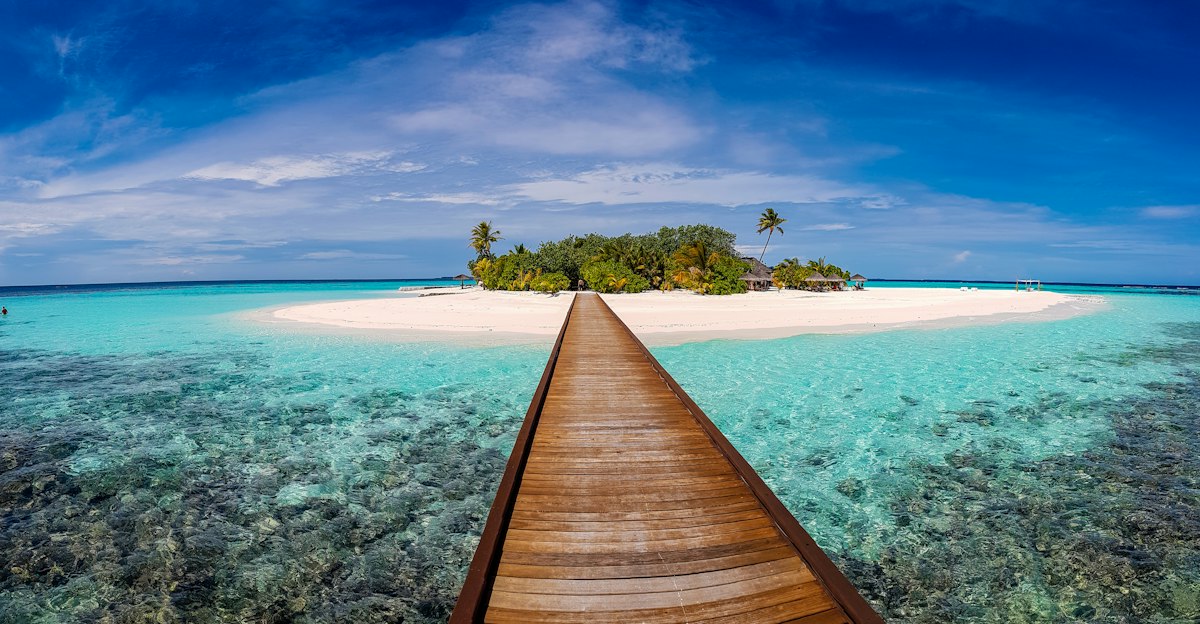
Cebu stands out as a premier adventure destination in the Philippines, offering an incredible mix of natural wonders, vibrant marine life, and rich cultural heritage. From swimming alongside massive whale sharks to leaping off cliffs into impossibly turquoise waters, the island provides thrilling experiences that are easily accessible to travelers. Its central location in the Visayas makes it a perfect hub for exploring the surrounding islands, while the diverse landscape ranges from white-sand beaches to lush mountainous interiors.
For budget travelers and backpackers, Cebu is exceptionally appealing due to its low cost of living and well-established tourism infrastructure. You can easily find affordable dorm beds, cheap local eateries, and inexpensive public transportation like the ubiquitous Ceres buses and habal-habal motorcycle taxis. Many of the island's best attractions, such as stunning waterfalls and vibrant coral reefs, cost very little to enjoy, allowing you to stretch your travel funds without missing out on world-class experiences.
This comprehensive guide covers everything you need to know to plan an unforgettable budget trip to Cebu. We will explore the cheapest ways to fly into the island, highlight the best areas to stay for budget accommodations, and detail the most thrilling free and cheap activities available. You will also find practical advice on getting around, a realistic daily budget breakdown, and essential tips on safety, weather, and ethical wildlife encounters to ensure your adventure is both spectacular and responsible.
Getting There: Flights
Flying into Cebu is highly convenient and budget-friendly thanks to the Mactan-Cebu International Airport (CEB), the second busiest airport in the Philippines. For travelers coming from Manila (MNL), budget airlines like Cebu Pacific and Philippines AirAsia offer frequent daily flights, with one-way promotional fares often dropping as low as $20 to $50 USD. If you are flying internationally from major hubs like Singapore (SIN) or Kuala Lumpur (KUL), you can typically find one-way tickets ranging from $120 to $150 USD on low-cost carriers such as Scoot, AirAsia, and Cebu Pacific. To secure the best prices, it is highly recommended to book your flights at least a few weeks in advance and keep an eye out for airline seat sales, which are frequently announced on their social media pages or promotional mailing lists.
Where to Stay
Finding affordable accommodation in Cebu is straightforward, with several key areas catering specifically to backpackers and budget travelers. Moalboal is the top choice for diving enthusiasts and those wanting to experience the famous sardine run, offering vibrant hostels with dorm beds starting around $5 to $8 USD per night. If your goal is to see the whale sharks, Oslob has numerous budget guesthouses and basic rooms ranging from $15 to $30 USD per night, though hostel options are slightly more limited than in Moalboal. Cebu City serves as an excellent transit hub with a wide array of backpacker hostels starting at $5 USD per night, making it ideal for a quick stay before heading to the provinces. To find the best deals, platforms like Hostelworld and Agoda are excellent resources for comparing prices, reading reviews, and booking secure budget accommodations.
Search accommodation in Cebu
Things to Do
Cebu is packed with affordable adventures that provide incredible value for your money. Canyoneering at Kawasan Falls is a must-do activity, costing around $25 to $35 USD (₱1,500) for a guided tour that includes safety gear, a local guide, and often a hearty lunch. In Moalboal, the spectacular sardine run is completely free if you have your own snorkeling gear and swim out from Panagsama Beach, or you can join an island-hopping tour to Pescador Island for about $15 to $20 USD. Swimming with whale sharks in Oslob costs roughly $10 to $20 USD (₱500-1,000) for the encounter, though travelers should be aware of the ethical concerns surrounding the feeding practices that disrupt the sharks' natural migration. For a more relaxed experience, taking a ferry to the stunning white-sand beaches of Bantayan or Malapascua islands costs only $5 to $10 USD each way, offering pristine beauty on a backpacker budget.
Book activities in Cebu
GetYourGuideGetting Around
Navigating Cebu is an adventure in itself, with plenty of cheap local transport options available. The bright yellow Ceres buses are the most reliable way to travel between towns, with fares from Cebu City to popular destinations like Moalboal or Oslob costing only $3 to $5 USD (₱150-250) for an air-conditioned ride. For shorter distances, the habal-habal (motorcycle taxi) is the go-to choice, typically costing $1 to $3 USD depending on the distance; always negotiate the fare before getting on and ensure the driver provides a helmet. Ferries and fast crafts connect Cebu to neighboring islands like Bohol, Siquijor, and Negros, with tickets ranging from $8 to $15 USD. If you prefer independent exploration, renting a scooter is highly recommended and usually costs around $8 to $10 USD (₱400-500) per day, giving you the freedom to discover hidden waterfalls and secluded beaches at your own pace.
Budget Breakdown
Backpacker ($35-50/day): Accommodation in a hostel dorm will cost $5-8. Food at local eateries and street stalls will run $10-15. Local transport like buses and habal-habal will cost $3-5. Activities like DIY snorkeling and waterfall entrance fees will be $15-20. Total: $33-48 per day.
Mid-range ($70-100/day): Accommodation in a private guesthouse room will cost $25-40. Food at mid-range restaurants and cafes will run $20-30. Transport including occasional taxis or scooter rental will cost $8-12. Activities like guided tours and boat trips will be $20-25. Total: $73-107 per day.
Comfortable ($120-180/day): Accommodation in a boutique hotel or resort will cost $60-90. Food at higher-end restaurants and tourist spots will run $30-50. Transport including private transfers or Grab rides will cost $15-20. Activities like scuba diving or private tours will be $30-40. Total: $135-200 per day.
Essential Tips
To make the most of your trip, aim to visit Cebu during the dry season from December to May, as the months between July and October bring a higher risk of typhoons and heavy rainfall. The local currency is the Philippine Peso (PHP), and while ATMs are available in tourist hubs, it is crucial to carry enough cash when visiting smaller towns or remote islands where cards are rarely accepted. Getting a local SIM card from providers like Globe or Smart at the airport is highly recommended for reliable internet access, costing around $10 to $15 USD for a tourist data package. Cebu is generally safe for travelers, but standard precautions apply: secure your valuables, avoid flashing expensive items, and be cautious of petty theft in crowded areas like Cebu City. Finally, pack smartly for island hopping by bringing a dry bag to protect your electronics, reef-safe sunscreen to preserve the marine environment, and sturdy water shoes for navigating rocky waterfalls and coral beaches.
Frequently Asked Questions
Is canyoneering at Kawasan Falls safe?
Yes, canyoneering at Kawasan Falls is generally safe when booked with an accredited tour operator. You will be provided with a mandatory life jacket and helmet, and accompanied by experienced local guides who know the river conditions. All cliff jumps are optional, so you can choose to walk around them if you are uncomfortable with the height.
What is the most ethical way to see whale sharks in Oslob?
The whale shark watching in Oslob is highly controversial because the animals are fed daily, which disrupts their natural migratory patterns and can lead to injuries from boat propellers. If you choose to go, the most ethical approach is to strictly follow the rules: do not touch the sharks, keep a distance of at least 4 meters, and never wear sunscreen as the chemicals harm the water quality. For a truly ethical alternative, consider visiting Donsol in the Bicol region, where whale sharks are spotted in the wild without baiting, though sightings are seasonal and not guaranteed.