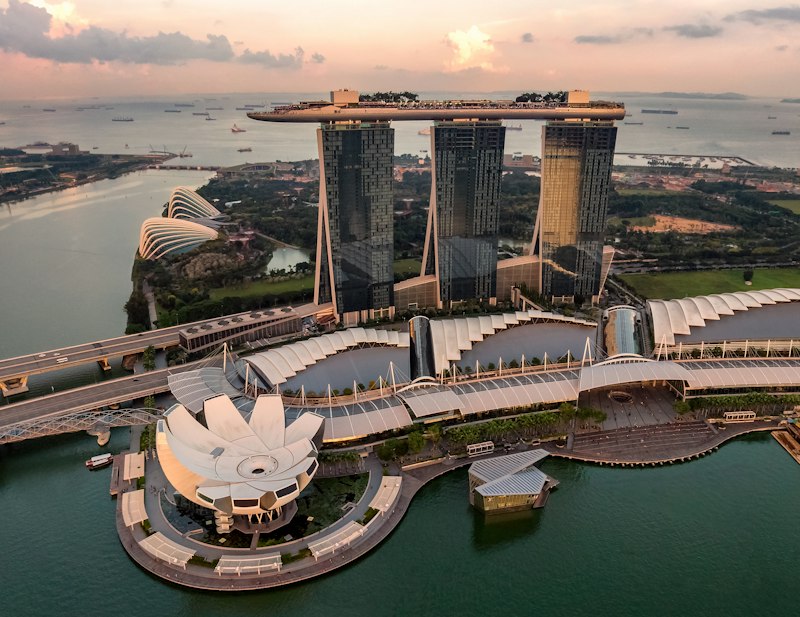
Singapore, the gleaming city-state often dismissed as a sterile stopover for the ultra-rich, holds a surprising secret: it can be an incredibly rewarding destination for budget travelers. If you know where to look, this futuristic metropolis reveals a vibrant, multicultural soul that is accessible to backpackers, digital nomads, and gap-year adventurers. Forget the five-star hotels and Michelin-starred restaurants; the real Singapore is found in its bustling hawker centers, lush green spaces, and colorful ethnic enclaves.
What makes Singapore so compelling is its unique fusion of cultures. In a single day, you can wander from the fragrant spice shops of Little India to the traditional temples of Chinatown, then marvel at the space-age architecture of Marina Bay. The city is a melting pot of Chinese, Malay, Indian, and Western influences, creating a tapestry of sights, sounds, and flavors that is unlike anywhere else in Southeast Asia. It's a city that is both intensely modern and deeply traditional, offering a travel experience that is as diverse as it is unforgettable.
This guide will shatter the myth that Singapore is unaffordable. We'll show you how to find cheap flights, comfortable and social hostels, and delicious meals for just a few dollars. You'll discover a wealth of free attractions, from stunning light shows to treetop jungle walks, and learn how to navigate the city's world-class public transport system like a local. Get ready to experience the Lion City on a shoestring budget, without sacrificing any of the fun.
Getting There: Flights
Flying into Singapore on a budget is easier than you think, thanks to its status as a major Southeast Asian travel hub. Changi Airport (SIN) is consistently ranked as one of the best in the world, and it's served by a host of budget airlines, making it an affordable gateway to the region.
- Bangkok (DMK/BKK) to Singapore (SIN): This is a very competitive route, with one-way fares typically ranging from $50-100 USD. Look for deals on AirAsia and Scoot.
- Kuala Lumpur (KUL) to Singapore (SIN): The short hop from KL is one of the cheapest ways to enter Singapore. One-way flights can be as low as $30-60 USD with airlines like AirAsia and Jetstar.
- Bali (DPS) to Singapore (SIN): Connecting from Bali is also a popular and affordable option, with one-way tickets usually costing between $80-150 USD. Check with AirAsia, Scoot, and Jetstar for the best prices.
- Ho Chi Minh City (SGN) to Singapore (SIN): VietJet Air and Scoot offer competitive fares on this route, with one-way prices often in the $70-120 USD range.
Booking Tips:
- The best budget airlines for Singapore routes are Scoot (Singapore Airlines' budget carrier), AirAsia, VietJet Air, and Jetstar.
- Book at least 1-2 months in advance for the best fares, especially if you're traveling during peak season.
- The cheapest months to fly are typically from February to April and from September to November, avoiding major holidays.
- Nearby Airport Hack: Consider flying into Johor Bahru, Malaysia (JHB), which is just across the border from Singapore. From there, you can take a cheap and easy bus across the causeway into the city, potentially saving you a significant amount on airfare.
Where to Stay
While Singapore's hotel prices can be intimidating, the city offers a growing number of stylish and social hostels that are perfect for budget travelers. You'll find the best value in the city's vibrant ethnic neighborhoods, where you can immerse yourself in the local culture while saving money on accommodation.
- Chinatown: This is one of the best areas for budget travelers, with a high concentration of hostels and budget hotels. A dorm bed in Chinatown typically costs between $25-40 USD per night, while a private room will set you back $60-100 USD. It's a fantastic area to be based, with great food and easy access to the MRT.
- Little India: Another excellent choice for budget accommodation, Little India offers a similar price range to Chinatown, with dorms from $25-40 USD and private rooms from $50-90 USD. The area is a feast for the senses, with colorful temples, bustling markets, and some of the best Indian food in the city.
- Bugis and Kampong Glam: These adjacent neighborhoods offer a slightly more boutique hostel experience, with a trendy vibe and plenty of cool cafes and shops. Expect to pay a little more here, with dorms in the $30-45 USD range and private rooms from $70-120 USD.
- Geylang: Known for its red-light district, Geylang also has a number of budget hotels that can be cheaper than other areas. While it's a bit further from the city center, it offers a glimpse into a different side of Singapore and has some of the best local food on the island. Prices for private rooms can be as low as $40-70 USD.
Booking Tips:
- Singapore hostels, while more expensive than in other parts of Southeast Asia, offer excellent value for money in a city known for its high cost of living. Expect clean facilities, air-conditioning, and often a free breakfast.
- Hostelworld is the best platform for finding and booking dorm beds in Singapore.
- Book your accommodation at least a few weeks in advance, especially if you're visiting during a major event or holiday, as the best hostels tend to fill up quickly.
Search accommodation in Singapore
Things to Do
One of the biggest misconceptions about Singapore is that you need to spend a lot of money to have a good time. In reality, the city is packed with free and cheap activities that will keep you entertained for days.
- Gardens by the Bay: While the iconic Flower Dome and Cloud Forest conservatories have an admission fee of around $28 USD, the rest of the gardens are completely free to explore. Don't miss the spectacular Garden Rhapsody light and sound show at the Supertree Grove, which happens every evening.
- Marina Bay Sands: Instead of paying the steep price for the observation deck, head to the nearby Marina Barrage, a dam with a grassy rooftop that offers stunning, unobstructed views of the Marina Bay skyline for free. It's a popular spot for picnics and kite flying, especially at sunset.
- Sentosa Island: You don't need to spend a fortune to enjoy Sentosa. While the theme parks are pricey, you can take the Sentosa Express monorail for a small fee and spend the day relaxing on the island's three beautiful beaches: Siloso, Palawan, and Tanjong. Walking across the Sentosa Boardwalk is also free.
- Chinatown and Little India: Get lost in the vibrant streets of these historic neighborhoods. Explore the colorful temples, browse the bustling markets, and soak up the unique atmosphere. You can easily spend a whole day wandering around these areas without spending a dime.
- Hawker Center Food Tours: The best way to experience Singapore's culinary scene is by eating at the hawker centers. You can create your own food tour by hopping between different centers and trying a variety of dishes for just a few dollars each. For a more structured experience, consider a guided tour from a provider like GetYourGuide.
- MacRitchie Reservoir Park: Escape the city and explore Singapore's lush rainforest. The park has a number of hiking trails, including the Treetop Walk, a free-standing suspension bridge that offers panoramic views of the forest canopy.
- Henderson Waves: This unique, wave-shaped pedestrian bridge is the highest in Singapore and offers incredible views of the city and the Southern Ridges. It's especially beautiful at sunset.
- East Coast Park: This popular coastal park is a great place to relax, have a picnic, or go for a bike ride. You can rent a bike for a few dollars and explore the park's scenic coastline.
- Free Museums: The National Museum of Singapore offers free admission to its permanent galleries for all visitors on Friday evenings from 6pm to 10pm. The Peranakan Museum also has free admission on certain days, so check their website for the latest information.
Book activities in Singapore
GetYourGuideGetting Around
Getting around Singapore is a breeze, thanks to its efficient and affordable public transport system. The city is surprisingly walkable, but for longer distances, the MRT (Mass Rapid Transit) is your best friend.
- MRT: The MRT is the cheapest and most convenient way to get around the city. A single trip typically costs between $1-2.50 USD, depending on the distance. To save money and hassle, get an EZ-Link card from any MRT station. It's a rechargeable stored-value card that you can use on both the MRT and buses.
- Buses: Singapore's bus network is extensive and can take you to almost anywhere on the island. Fares are similar to the MRT, and you can use your EZ-Link card to pay.
- Grab vs. Taxis: Ride-sharing services like Grab are generally cheaper than traditional taxis, especially during off-peak hours. However, taxis are readily available and can be a good option if you're traveling in a group or have a lot of luggage.
- Walking: Singapore is a very walkable city, especially in the downtown area. You can easily explore neighborhoods like Chinatown, Little India, and Marina Bay on foot.
- Airport to City: The cheapest way to get from Changi Airport to the city is by MRT. A one-way trip costs around $2 USD and takes about 40 minutes. There's no need to take a taxi or private hire car unless you have a lot of luggage or are arriving late at night.
- EZ-Link vs. Tourist Pass: While the Singapore Tourist Pass offers unlimited travel, it's often not the best value for budget travelers unless you plan on taking a huge number of trips in a short period. The EZ-Link card is usually the more economical option, as you only pay for the trips you take.
Budget Breakdown
Singapore can be surprisingly affordable if you manage your expenses wisely. Here's a breakdown of what you can expect to spend per day, depending on your travel style:
Backpacker Budget: $60-80 USD/day
- Accommodation: Hostel dorm ($25-40 USD)
- Food: Hawker centers for all meals ($15-25 USD)
- Transport: MRT ($5-10 USD)
- Activities: Mostly free activities, with one or two paid attractions ($15-25 USD)
- Total: This budget is achievable if you stick to hawker food, use public transport, and take advantage of the city's many free attractions.
Mid-Range Budget: $100-150 USD/day
- Accommodation: Budget private room or boutique hostel ($60-90 USD)
- Food: Mix of hawker centers and casual restaurants ($30-50 USD)
- Transport: MRT and occasional Grab/taxi ($10-20 USD)
- Activities: A few paid attractions and tours ($20-40 USD)
- Total: This budget allows for a more comfortable stay, with more flexibility in your dining and activity choices.
Comfortable Budget: $180-250 USD/day
- Accommodation: Mid-range hotel or stylish private room ($100-150 USD)
- Food: Mix of restaurants, cafes, and hawker centers ($50-80 USD)
- Transport: MRT, Grab/taxis ($20-30 USD)
- Activities: Major attractions, tours, and some shopping ($30-50 USD)
- Total: This budget allows for a more relaxed and indulgent experience, with plenty of opportunities to splurge.
The key to budget eating in Singapore is the hawker center. These open-air food courts are where locals eat, and you can find a huge variety of delicious and authentic dishes for just $3-6 USD per meal. By eating at hawker centers, you can save a significant amount of money on food, which is often the biggest expense for travelers in Singapore.
Essential Tips
Here are some practical tips to help you make the most of your budget trip to Singapore:
- Hawker Center Etiquette: Hawker centers are the heart of Singapore's food culture. The best ones to visit are Maxwell Food Centre (for its famous Tian Tian Hainanese Chicken Rice), Lau Pa Sat (for its beautiful Victorian architecture and satay street), and Old Airport Road Food Centre (a local favorite with a huge variety of dishes). It's common to "chope" (reserve) a table with a packet of tissues while you go and order your food.
- Best Free Viewpoints: For stunning, free views of the city, head to Henderson Waves at sunset or the rooftop garden at Marina Barrage. The top floor of the Esplanade - Theatres on the Bay also offers a great view of the Marina Bay skyline.
- Singapore's Surprising Cheapness: While Singapore has a reputation for being expensive, it's surprisingly cheap when it comes to food, as long as you eat at hawker centers and food courts. Avoid the tourist-trap restaurants in Clarke Quay and Boat Quay, and you'll find that your food budget goes a long way.
- No-Tipping Culture: Tipping is not expected in Singapore. A 10% service charge is usually added to the bill at restaurants, so there's no need to leave an additional tip.
- Safe Tap Water: The tap water in Singapore is perfectly safe to drink, so there's no need to buy bottled water. Bring a reusable water bottle and refill it throughout the day to save money and reduce plastic waste.
- Heat and Humidity: Singapore is hot and humid year-round. The best time to visit is from February to April, which is the driest period. Be sure to pack light, breathable clothing and stay hydrated.
- Easy Visa: Most nationalities can enter Singapore visa-free for up to 90 days. Check the latest visa requirements for your country before you travel.
- Changi Airport as an Attraction: Don't rush out of Changi Airport when you arrive. It's an attraction in itself, with a free movie theater, a butterfly garden, numerous art installations, and even free snooze lounges where you can take a nap.
Frequently Asked Questions
Is Singapore really that expensive for budget travelers?
Not if you travel smart! The key is to embrace the local lifestyle. Eat at hawker centers, where you can get a delicious and filling meal for $3-6 USD. Use the efficient and cheap MRT to get around. And take advantage of the many free attractions, like Gardens by the Bay's outdoor areas, the light show at Marina Bay, and the city's beautiful parks and ethnic neighborhoods. While accommodation is more expensive than in other parts of Southeast Asia, the overall cost of a trip to Singapore can be surprisingly affordable.
What is the cheapest way to get from Changi Airport to the city?
The cheapest and most efficient way to get from Changi Airport to the city is by MRT. The journey takes about 40 minutes and costs around $2 USD. You can buy a single-trip ticket or use an EZ-Link card. The MRT station is located in the basement of Terminal 2 and is easily accessible from all terminals.
Can I visit Singapore on $70/day?
Yes, it's definitely possible to visit Singapore on a budget of $70 USD per day. Here's a realistic breakdown: a dorm bed in a hostel will cost around $30-40 USD, three meals at a hawker center will be about $15-20 USD, and you'll have around $10-25 USD left for transport and activities. This budget requires you to be mindful of your spending, but it's more than enough to have a fantastic time exploring the city.
Is it worth going to Sentosa on a budget?
Absolutely! While Sentosa is home to expensive attractions like Universal Studios, there are plenty of free and cheap things to do on the island. You can spend the day relaxing on one of the three beautiful beaches (Siloso, Palawan, or Tanjong), walk across the Sentosa Boardwalk for free, and enjoy the scenic views. The Sentosa Express monorail costs a few dollars, but it's a small price to pay for a day of fun in the sun.
What is a hawker center and why should I eat there?
A hawker center is an open-air food court with a wide variety of food stalls selling delicious and affordable local dishes. They are an essential part of Singaporean culture and the best place to experience the city's diverse culinary scene. You can find everything from Hainanese chicken rice and char kway teow to laksa and satay, all for just a few dollars per dish. Eating at hawker centers is not just about saving money; it's about experiencing the authentic flavors of Singapore like a local.
How many days do I need in Singapore?
For a first-time visitor, 3-4 days is a good amount of time to see the main highlights of Singapore without feeling rushed. This will give you enough time to explore the different neighborhoods, visit the major attractions, and eat your way through the hawker centers. If you have more time, you can delve deeper into the city's culture and explore some of the off-the-beaten-path attractions. If you're on a tight schedule, you can still see a lot in 2 days, but you'll need to be selective about what you do.