Luang Prabang is arguably Southeast Asia's best-preserved ancient town and a remarkable UNESCO World Heritage site. Nestled in a lush valley at the confluence of the Mekong and Nam Khan rivers, this tranquil destination offers an incredible blend of 33 gilded Buddhist temples, fading French colonial architecture, and breathtaking natural scenery. For budget backpackers and culturally-minded travelers, it provides an unparalleled opportunity to experience traditional Lao culture at a remarkably affordable price point.
Beyond its visual appeal, Luang Prabang holds immense cultural significance as the former royal capital and the spiritual heart of Laos. The city's daily rhythms are dictated by ancient traditions, most notably the sacred morning alms giving ceremony (Tak Bat), where hundreds of saffron-robed monks walk silently through the streets at dawn. This deep-rooted spirituality, combined with a laid-back atmosphere and friendly locals, creates an environment that encourages visitors to slow down and truly immerse themselves in the experience.
This comprehensive budget travel guide is designed specifically for backpackers and mindful travelers looking to explore Luang Prabang without breaking the bank. It covers everything from finding the cheapest transport routes and budget-friendly accommodations to navigating the vibrant night market and visiting the stunning Kuang Si Falls. Additionally, we provide detailed breakdowns of daily costs and essential cultural etiquette to ensure your visit is both economical and respectful of local traditions.
Getting There: Flights
Getting to Luang Prabang (LPQ) cheaply requires a bit of planning. Direct flights from major hubs like Bangkok (via Thai AirAsia or Bangkok Airways) typically range from $214 to $255, while flights from Chiang Mai (via Thai AirAsia or Lao Airlines) can be found between $115 and $270. If you are already in Laos, the new high-speed train is a game-changer; the journey from Vang Vieng takes less than an hour and costs between $11 and $31, while the train from the capital, Vientiane, takes about two hours. Alternatively, buses and shared minivans from Vang Vieng cost around $22 to $32 but take over five hours. For a truly classic backpacker experience, consider taking the 2-day slow boat down the Mekong River from Huay Xai (on the Thai border) to Luang Prabang. For booking ground transport, trains, and regional buses, 12Go Asia is the most reliable platform to compare prices and secure tickets in advance.
Where to Stay
Luang Prabang offers excellent value for budget travelers, with accommodation clustered in three main areas. The Old Town Peninsula is the most popular, putting you within walking distance of the night market, historic temples, and the morning alms route. The Mekong Riverfront offers beautiful sunset views, while the Ban Xieng Mouane area provides a quieter, more local atmosphere. For solo backpackers, dorm beds in highly-rated central hostels start at around $4 to $8 per night. If you prefer privacy, basic guesthouses offer private double rooms starting around $15 to $25 per night. Mid-range boutique hotels in traditional Lao-style buildings average about $67 per night. To get the best deals, book a few days in advance during the peak dry season (November to February), but you can often negotiate better rates in person if traveling during the shoulder or wet seasons.
Search accommodation in Luang Prabang
Things to Do
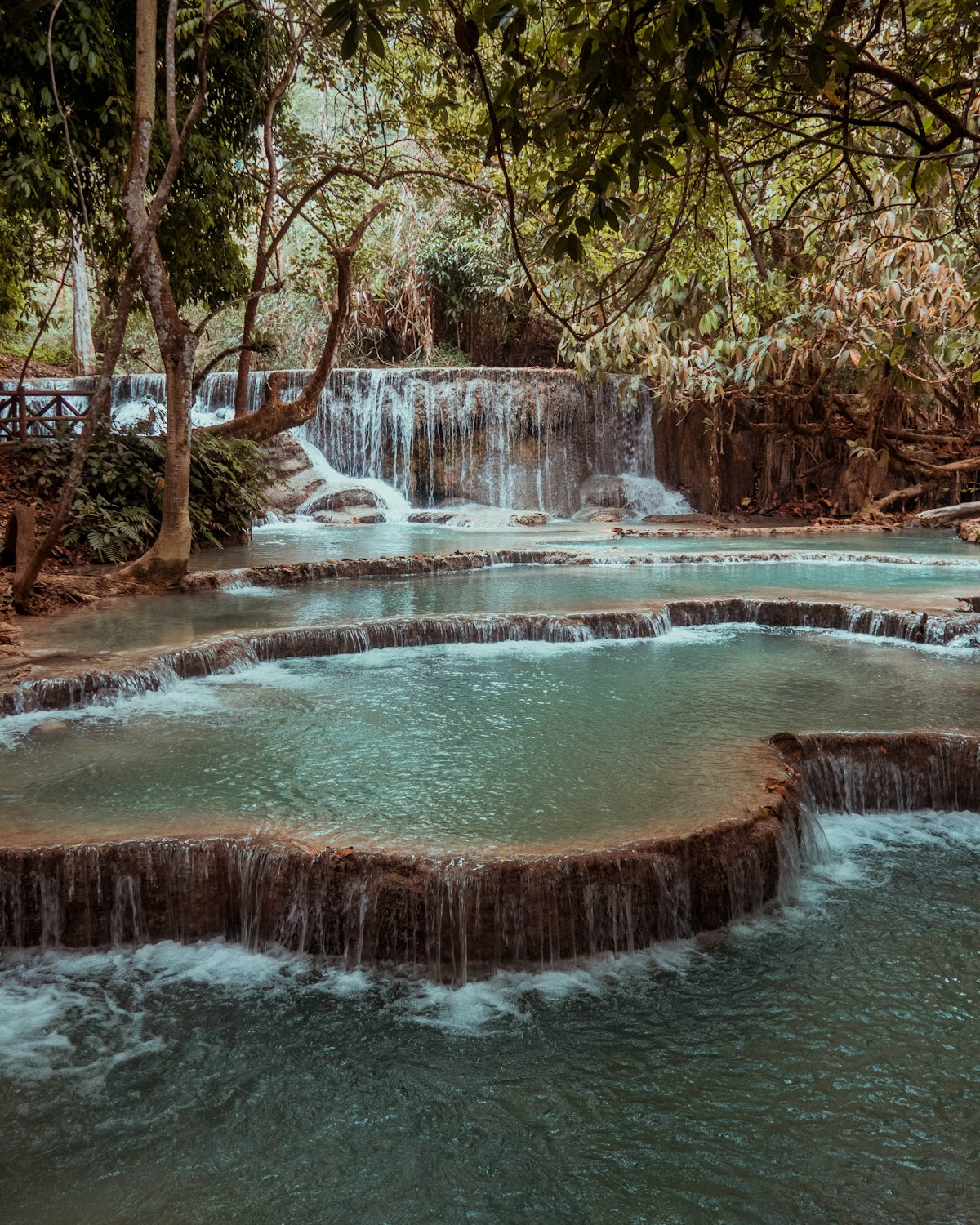
You do not need to spend much to experience the best of Luang Prabang. The spectacular Kuang Si Falls is a must-visit; the entrance fee is roughly $2.70 (60,000 LAK), which includes access to the stunning turquoise pools and the Tat Kuang Si Bear Rescue Centre. For sunset, climbing the 350 steps of Mount Phousi offers panoramic views of the city for an entry fee of about $1.35 (30,000 LAK). Exploring the city's magnificent temples is highly affordable; entry to the famous Wat Xieng Thong costs less than $1 (20,000 LAK). Remember that strict dress codes apply at all temples: shoulders and knees must be covered, and tank tops or short shorts are strictly prohibited. The morning alms giving (Tak Bat) is completely free to observe respectfully. In the evening, strolling through the vibrant Night Market (open daily from 5pm to 10pm) is free, and crossing the seasonal bamboo bridges over the Nam Khan river usually costs around $0.50 (10,000 LAK) round trip.
Book activities in Luang Prabang
GetYourGuideGetting Around
Luang Prabang's historic center is compact and highly walkable, making walking the best and cheapest way to explore the Old Town. For venturing slightly further or simply enjoying a leisurely pace, renting a bicycle is incredibly cheap, costing around $0.89 to $1.50 per day. For trips outside the city center, such as to the airport or bus stations, tuk-tuks are readily available; always negotiate the price before getting in. A flat-rate taxi or shared minivan from the airport to the city center costs about $2.25. To reach Kuang Si Falls (about 45 minutes away), the most economical option is to join a shared tuk-tuk or minivan from the town center, which typically costs around $2.70 to $3.50 per person for a return trip, with the driver waiting while you explore.
Budget Breakdown
Backpacker Tier ($30-45/day): Accommodation in a hostel dorm ($6-$10). Food focusing on street food like Khao Piak Sen noodle soup and night market buffets ($8-$12). Transport mainly walking and bicycle rental ($2). Activities like temple visits and shared transport to Kuang Si ($10). Total: ~$30-$34/day.
Mid-range Tier ($60-90/day): Accommodation in a private guesthouse room ($25-$35). Food mixing street food lunches with sit-down dinners and Beerlao ($20-$30). Transport using occasional tuk-tuks and shared minivans ($5-$8). Activities including Mount Phousi, museums, and a slow boat to Pak Ou Caves ($10-$15). Total: ~$60-$88/day.
Comfortable Tier ($100-150/day): Accommodation in a boutique heritage hotel ($65-$90). Food at nicer riverside restaurants and cafes ($35-$45). Transport using private tuk-tuks or taxis ($10). Activities including guided tours or cooking classes ($20-$30). Total: ~$130-$175/day.
Essential Tips
The best time to visit Luang Prabang is during the cool, dry season from November to February, though this is also the busiest period. The local currency is the Lao Kip (LAK), with an exchange rate of roughly 22,000 LAK to 1 USD. ATMs are widely available, but cash is king for street food and small purchases. Tourist SIM cards are cheap and easy to buy in town, costing around $10 for 10GB of data. Most nationalities can get a 30-day Visa on Arrival at the airport or border crossings for $30 to $42 (bring crisp US dollars and a passport photo), or apply for an eVisa in advance for $50. Responsible tourism is crucial here: dress modestly (cover shoulders and knees), respect the conservative culture, ask before photographing locals, and support local artisans at the night market rather than buying imported souvenirs.
Frequently Asked Questions
Is the slow boat to Luang Prabang worth it?
Yes, the 2-day slow boat journey down the Mekong River from Huay Xai (on the Thai border) to Luang Prabang is a quintessential Southeast Asian backpacker experience. It offers an incredibly scenic, relaxing way to see rural Laos and observe river life. The journey typically costs around $30-$40 for the basic public boat, stopping overnight in the small village of Pakbeng (where you must pay for your own accommodation). While the wooden seats can be uncomfortable and the boat crowded, the camaraderie among travelers and the stunning landscapes make it highly worthwhile. Luxury cruise options are also available starting around $200 for a more comfortable experience.
What is the proper etiquette for the alms giving ceremony?
The Tak Bat is a deeply sacred religious ritual, not a tourist attraction. The most respectful way to experience it is to observe quietly from a distance, ideally from across the street. Do not use flash photography, as it is highly disruptive, and do not step into the monks' path or get in their faces for photos. You must dress modestly, ensuring your shoulders, chest, and knees are completely covered. Do not make physical contact with the monks. Unless you are a practicing Buddhist who understands the ritual and can participate with dignity, it is strongly advised not to buy street food to offer, as this has commercialized the sacred practice.